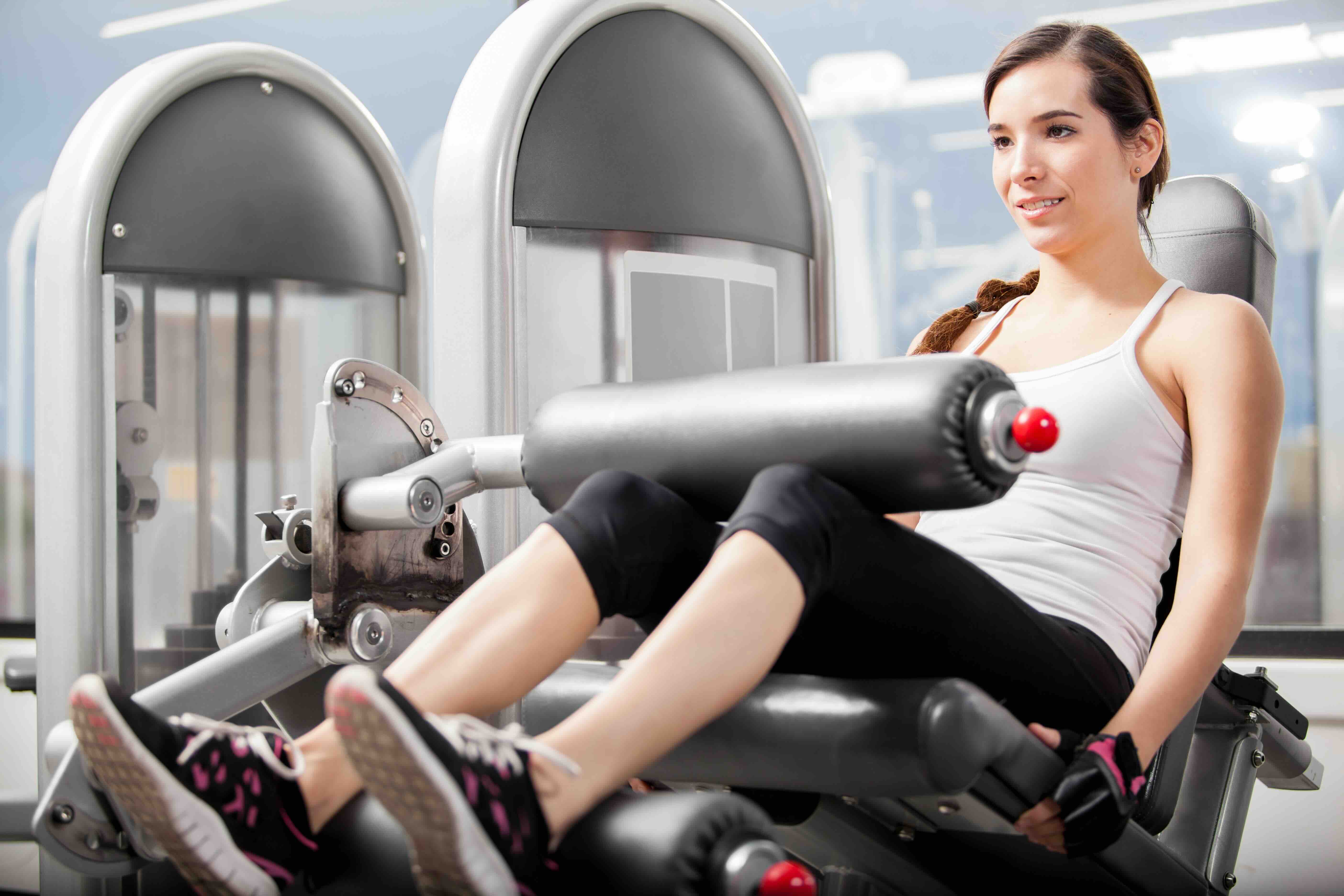
The seated leg curl, an often underappreciated exercise, plays a vital role in a balanced workout regimen, particularly for those aiming to build strong, well-rounded legs. Whether you're an amateur fitness enthusiast just starting out or a seasoned gym-goer looking to perfect your technique, understanding the benefits and nuances of seated leg curls can take your lower body workouts to the next level.
Understanding the Seated Leg Curl
At its core, the seated leg curl targets the hamstrings, a group of muscles located at the back of the thigh. These muscles are crucial for various athletic movements, including running, jumping, and squatting. The seated leg curl isolates the hamstrings, allowing for focused strengthening and development. This machine-guided exercise minimizes the risk of injury by offering support to the user's posture while executing the movement, making it an excellent option for individuals of all fitness levels.
Benefits of the Seated Leg Curl
Regular incorporation of the seated leg curl into your workout routine offers numerous benefits:
- Targeted Muscle Isolation: The seated leg curl provides an efficient way to isolate the hamstrings, ensuring they are worked intensely without involving other muscle groups unnecessarily.
- Injury Prevention: Strong hamstrings contribute to the stability of the knees and lower body. This can help prevent common injuries, especially those related to sports or intense physical activity.
- Enhanced Athletic Performance: Strong hamstrings contribute to better performance in exercises and sports that require explosive movements and speed, such as sprinting and jumping.
- Balanced Leg Development: Many exercises focus heavily on the quadriceps. Including seated leg curls ensures that the hamstrings are not neglected, promoting overall leg symmetry and strength balance.
How to Perform the Seated Leg Curl Correctly
Achieving optimal results from the seated leg curl requires proper form and technique:
- Adjust the Machine: Begin by adjusting the backrest and leg pad to fit your height. Your knees should align with the axis of the machine, and the pad should rest comfortably on your lower legs.
- Position Yourself Correctly: Sit with your back firmly against the backrest. Grip the side handles for stability, and ensure your back remains straight throughout the exercise.
- Execute the Curl: Engage your hamstrings and curl your lower legs back as far as they comfortably go. Hold briefly at the top of the movement for maximum contraction before slowly returning to the start position.
- Control the Movement: Focus on using a slow, controlled motion to maximize muscle engagement and minimize the risk of injury. Avoid using momentum to complete the exercise.
Incorporating Seated Leg Curls into Your Routine
The seated leg curl can be seamlessly integrated into your leg day routine or a full-body workout. Aim for three sets of 10-15 repetitions to start, adjusting as needed based on your fitness goals and levels of experience. Pairing it with other hamstring-focused exercises, such as deadlifts and lunges, can offer a comprehensive approach to lower body strength training.
Conclusion
Don't let your hamstrings lag behind in your fitness journey. The seated leg curl is an invaluable tool for targeting these crucial muscles, promoting balance, and enhancing overall athletic performance. Proper execution and regular integration of this exercise can lead to remarkable improvements in leg strength and stability, ensuring you stay on track to achieve your fitness aspirations.