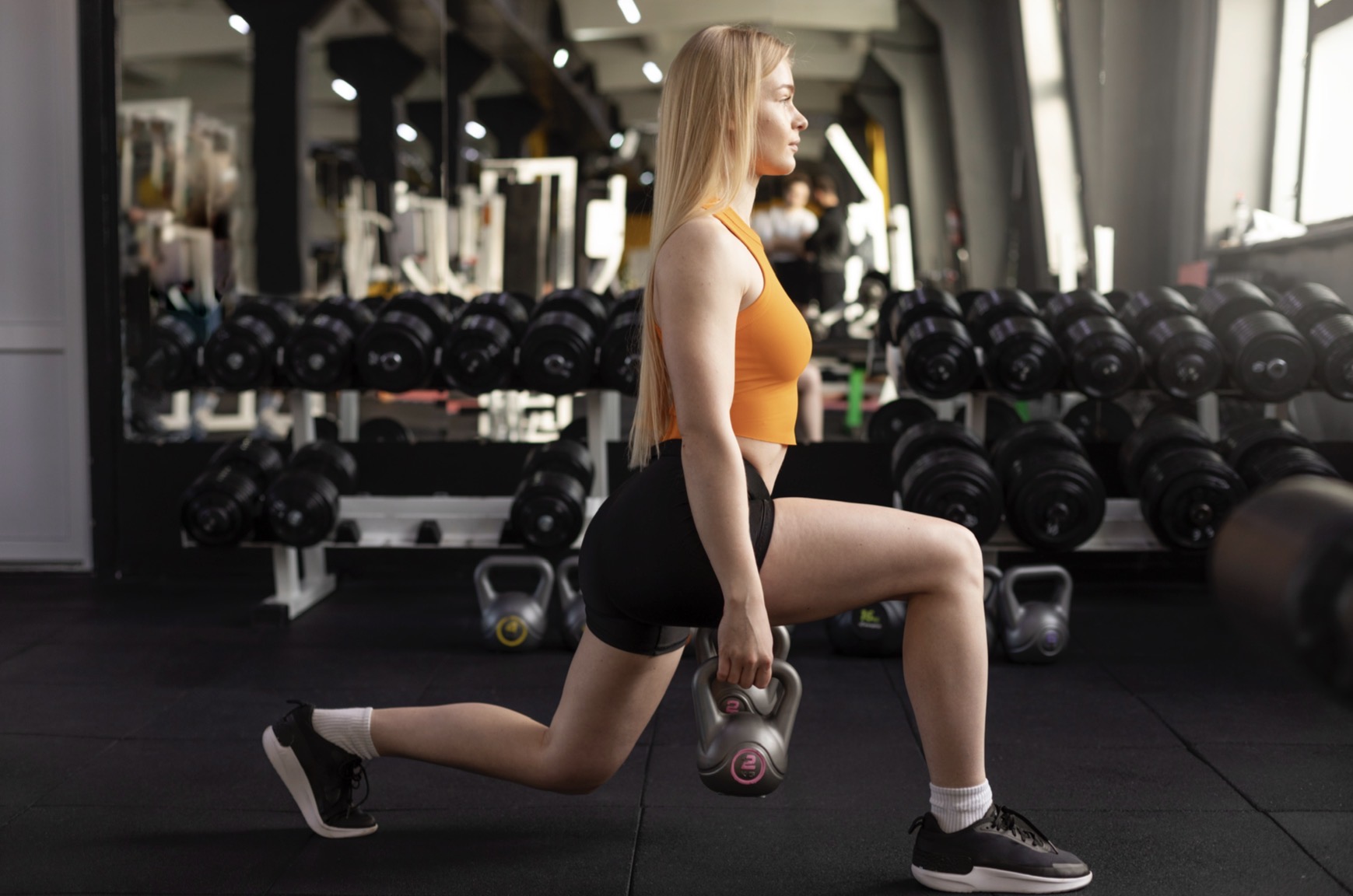
In the world of fitness, the dumbbell squat stands as a staple exercise that offers a myriad of benefits. Whether you’re a seasoned athlete or a beginner looking to boost your workout routine, understanding and mastering the dumbbell squat can be a game-changer in your fitness journey. In this blog post, we’ll explore the essentials of the dumbbell squat, discuss its numerous benefits, and provide some tips to ensure you perform it safely and effectively.
Benefits of the Dumbbell Squat
- Strengthens Lower Body: The dumbbell squat primarily targets the quadriceps, hamstrings, glutes, and calves, making it a comprehensive lower body workout.
- Enhances Core Stability: Performing squats requires core stabilization, which works the abdominals and lower back muscles.
- Improves Mobility and Balance: Regularly incorporating squats into your routine can enhance joint flexibility and overall balance, reducing the risk of injury.
- Convenient and Versatile: With just a pair of dumbbells, you can perform squats almost anywhere, making them a convenient addition to any workout regime.
Proper Form for a Dumbbell Squat
To ensure you reap the full benefits and avoid injury, maintaining proper form during a dumbbell squat is crucial. Follow these steps:
- Starting Position: Stand with your feet shoulder-width apart, and hold a dumbbell in each hand with arms fully extended at your sides.
- Engage Your Core: Tighten your abdominal muscles to stabilize your torso.
- Squat Down: Bend your knees and hips to lower your body as if sitting back into a chair. Ensure your knees do not extend past your toes.
- Maintain Neutral Spine: Keep your back straight and chest up throughout the movement.
- Return to Standing: Push through your heels to return to the starting position, ensuring your knees stay aligned with your toes.
Common Mistakes to Avoid
Even experienced lifters can make mistakes when performing squats. Here are some common pitfalls to watch out for:
- Incorrect Knee Position: Avoid letting your knees cave inwards. Keep them in line with your toes throughout the squat.
- Rounding the Back: Maintain a straight and neutral spine to avoid unnecessary strain on the back.
- Lifting with Your Toes: Push through the heels rather than the toes to engage the correct muscles and ensure stability.
Tips for Success
Making progress with your squats involves consistency and attention to technique. Here are a few tips to help:
- Start Light: Begin with lighter weights to perfect your form before progressing to heavier dumbbells.
- Warm Up: Prepare your body with dynamic stretches or a light cardio session before diving into squats.
- Listen to Your Body: If you experience any pain or discomfort, reassess your form or take a break to prevent injury.
Incorporating the dumbbell squat into your workout routine can significantly impact your fitness journey by building strength, enhancing flexibility, and promoting overall well-being. Remember to focus on form and move at your own pace to achieve the best results.