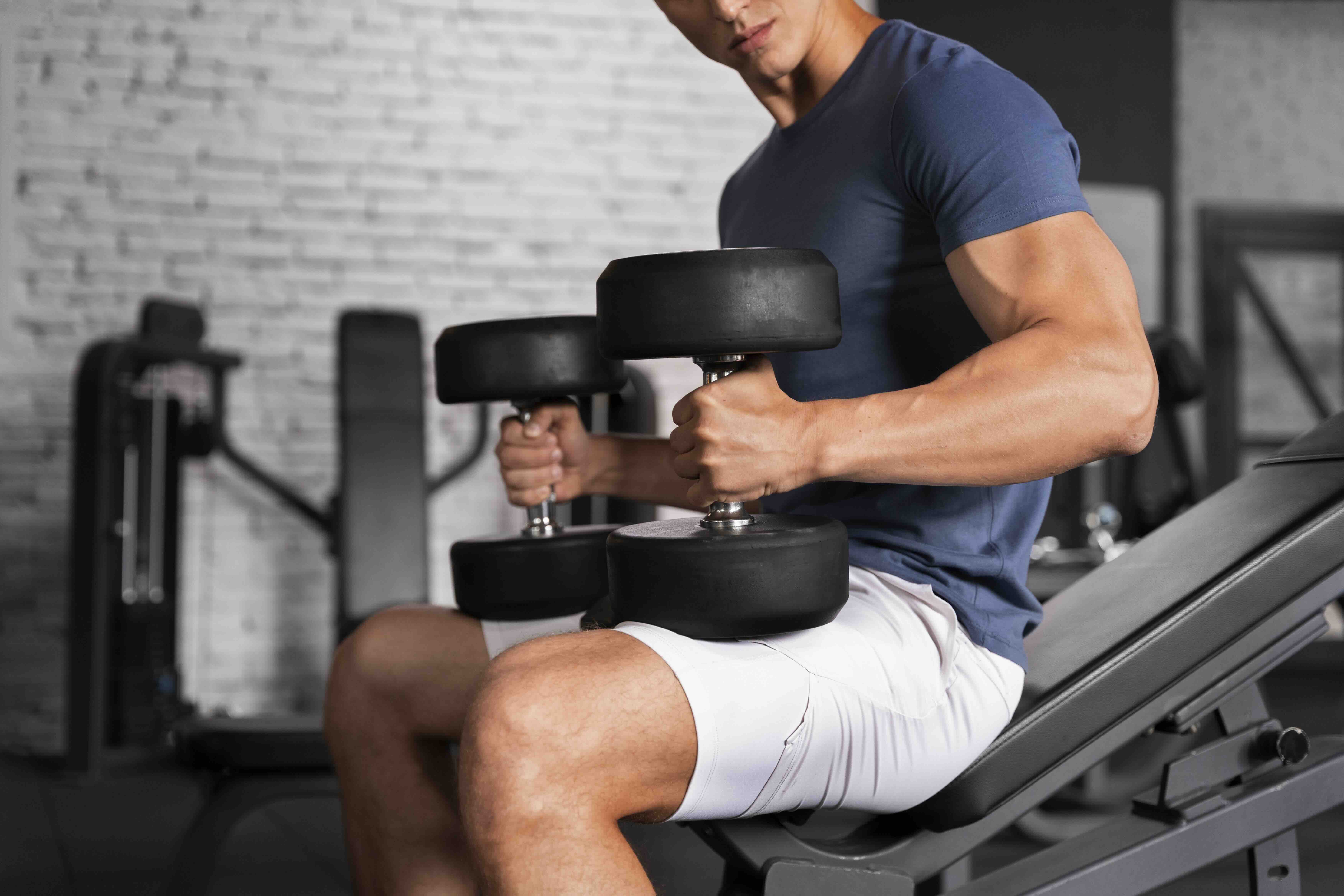
Introduction to Dumbbell Flyes
Dumbbell flyes are a popular isolation exercise that primarily target the chest muscles, especially the pectorals major. Known for sculpting and enhancing the shape of the chest, they are a staple in many bodybuilding and strength training routines. If you're looking to broaden your chest workout regimen, understanding and incorporating dumbbell flyes can be incredibly beneficial.
Benefits of Dumbbell Flyes
This exercise not only helps in developing a well-defined chest but also provides several other benefits:
- Increased Chest Expansion: Dumbbell flyes enhance the range of motion in the chest, promoting muscle flexibility and growth.
- Pectoral Definition: By focusing on the pectoral muscles, flyes contribute to a more defined and sculpted chest appearance.
- Engages Secondary Muscles: Although the primary target is the chest, dumbbell flyes also engage the shoulders and biceps, providing a comprehensive upper body workout.
- Improved Posture: Strengthening the chest can have a positive impact on posture, reducing the risk of back and shoulder injuries.
How to Perform Dumbbell Flyes
To ensure maximum benefits and minimize injury risk, it's essential to perform dumbbell flyes with the correct technique:
- Positioning: Lie on a flat bench with your feet planted firmly on the ground. Hold a dumbbell in each hand, arms extended above your chest with palms facing inward.
- Execution: With a slight bend in your elbows, lower the dumbbells slowly in an arc motion to the sides, feeling a stretch in your chest.
- Return: Bring the dumbbells back to the starting position by reversing the motion, focusing on using your chest muscles to lift them.
- Repetitions: Aim for 3 sets of 10-12 reps, adjusting the weight as needed to maintain proper form throughout.
Common Mistakes to Avoid
- Using Excessive Weight: Prioritize form over weight to prevent injury and ensure effective muscle engagement.
- Locking Elbows: Maintain a soft bend in your elbows to avoid unnecessary strain on your joints.
- Excessive Range of Motion: Only lower the dumbbells until you feel a slight stretch in your chest, avoiding overstretching that can lead to injury.
- Poor Breathing Technique: Remember to exhale as you lift the weights and inhale as you lower them, keeping a steady breathing rhythm.
Variations and Progressions
For those looking to challenge themselves further or add variety to their workout, consider these variations:
- Incline Dumbbell Flyes: Perform flyes on an incline bench to target the upper chest more intensely.
- Decline Dumbbell Flyes: This variation targets the lower chest, providing a well-rounded chest workout.
- Cable Flyes: Using cables allows for constant tension throughout the movement, offering a different form of resistance.
Conclusion
Integrating dumbbell flyes into your workout routine can yield significant improvements in chest strength and aesthetics. By focusing on proper form and technique, you can enhance the effectiveness of this exercise while reducing the risk of injury. Remember, consistency and progressive overload are key to seeing results, so continue to challenge yourself as you progress on your fitness journey.