The Benefits of Incorporating Dead Hangs Into Your Fitness Routine
In the world of fitness, enthusiasts and experts alike are always on the lookout for effective exercises that deliver maximum results with minimal equipment. One such underrated and often overlooked exercise is the dead hang. Whether you're a seasoned athlete or a fitness rookie, incorporating dead hangs into your routine can offer numerous benefits. Let's dive into the world of dead hangs and explore why they should be part of your workout regimen.
What Is a Dead Hang?
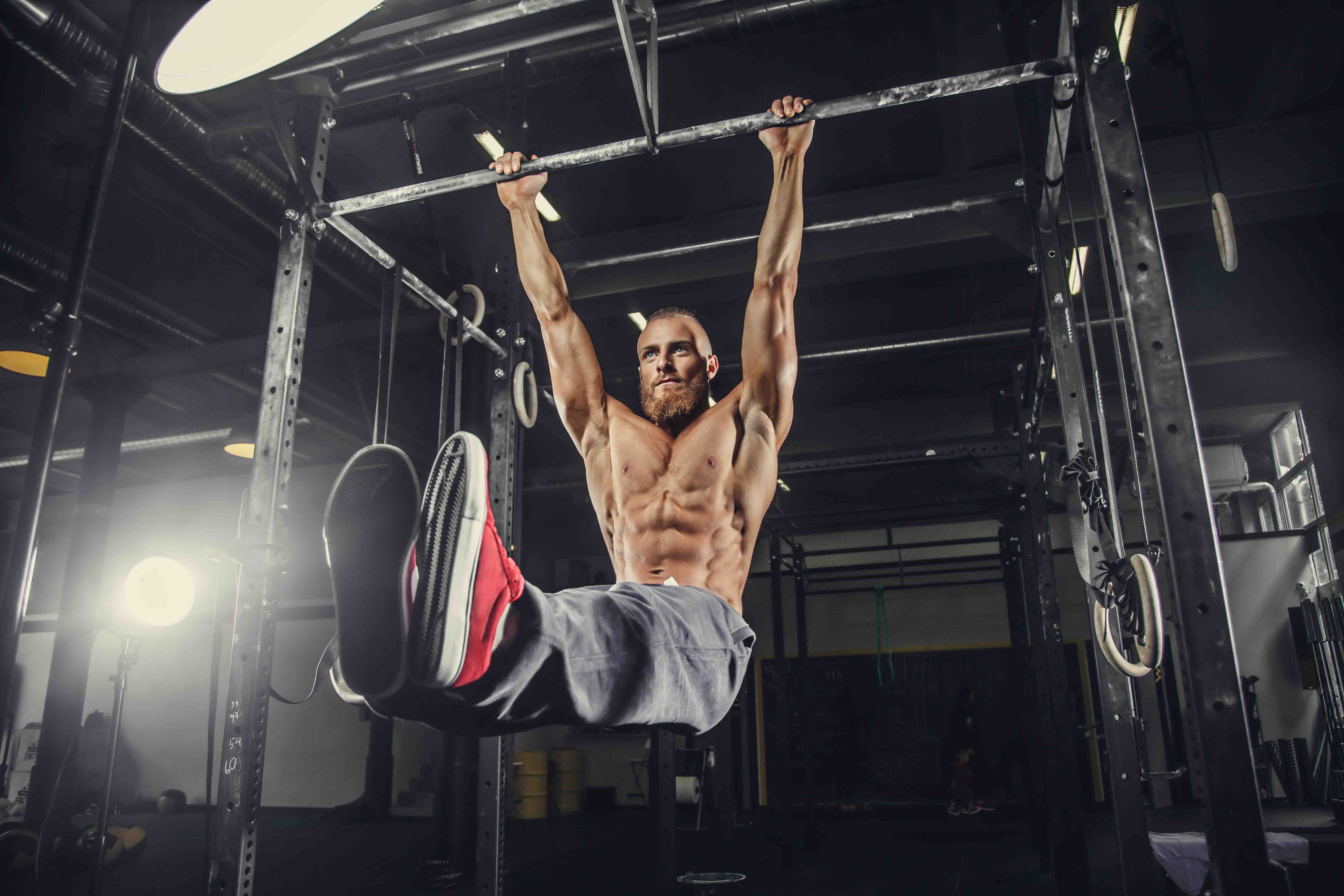
A dead hang is a simple exercise that involves hanging from a stationary bar without any active movement. The term "dead" signifies the absence of dynamic activity – you're simply holding on and letting gravity do its job. To perform a dead hang, all you need is a sturdy bar that can support your body weight, typically a pull-up bar or a secure overhead beam.
How to Perform a Dead Hang
- Find a stable bar that is high enough for you to hang from without your feet touching the ground.
- Grasp the bar with an overhand grip, making sure your hands are shoulder-width apart.
- Relax your shoulders and arms, letting your body hang freely.
- Engage your core slightly to maintain stability and to keep your body aligned.
- Hold the position for as long as you can while maintaining good form.
- Rest and repeat according to your fitness level and goals.
The Benefits of Dead Hangs
Dead hangs might seem straightforward, but they come with a host of benefits:
1. Improved Grip Strength
Holding onto a bar for an extended period significantly challenges your grip strength, which is essential for various other exercises like pull-ups, rows, and weightlifting. Improved grip strength can also aid in daily activities, giving you a stronger handshake or a better hold on objects.
2. Shoulder Health and Flexibility
Dead hangs help in decompressing the spine and shoulders, which is especially beneficial for those with tight shoulders or people who spend long hours sitting. The passive hanging stretches and strengthens the muscles supporting the shoulder joint, promoting better flexibility and reducing the risk of injuries.
3. Spine Decompression
The force of gravity pulls your body downward during a dead hang, which helps in lengthening and decompressing the spine. This can alleviate back pain caused by poor posture or sitting for extended periods.
4. Core Stability and Endurance
While the dead hang primarily targets the arms and shoulders, engaging your core is essential to maintain stability throughout the exercise. Over time, this can lead to improved core endurance and overall muscular endurance.
Tips for Integrating Dead Hangs into Your Routine
If you're new to dead hangs, start small. Begin with short durations such as 10-20 seconds and gradually increase the time as your strength improves. Incorporate them into your routine 2-3 times a week and pair them with other complementary exercises like pull-ups and chin-ups.
Listen to your body, and avoid pushing through pain. If your grip begins to slip or you feel discomfort in your shoulders, it's time to release the bar and rest.
Conclusion
Dead hangs are a simple yet powerful addition to any fitness routine, offering significant benefits for grip strength, shoulder health, spine decompression, and core stability. With minimal equipment required, they're an accessible exercise for almost everyone. Start hanging today, and reap the rewards of this underrated fitness gem!