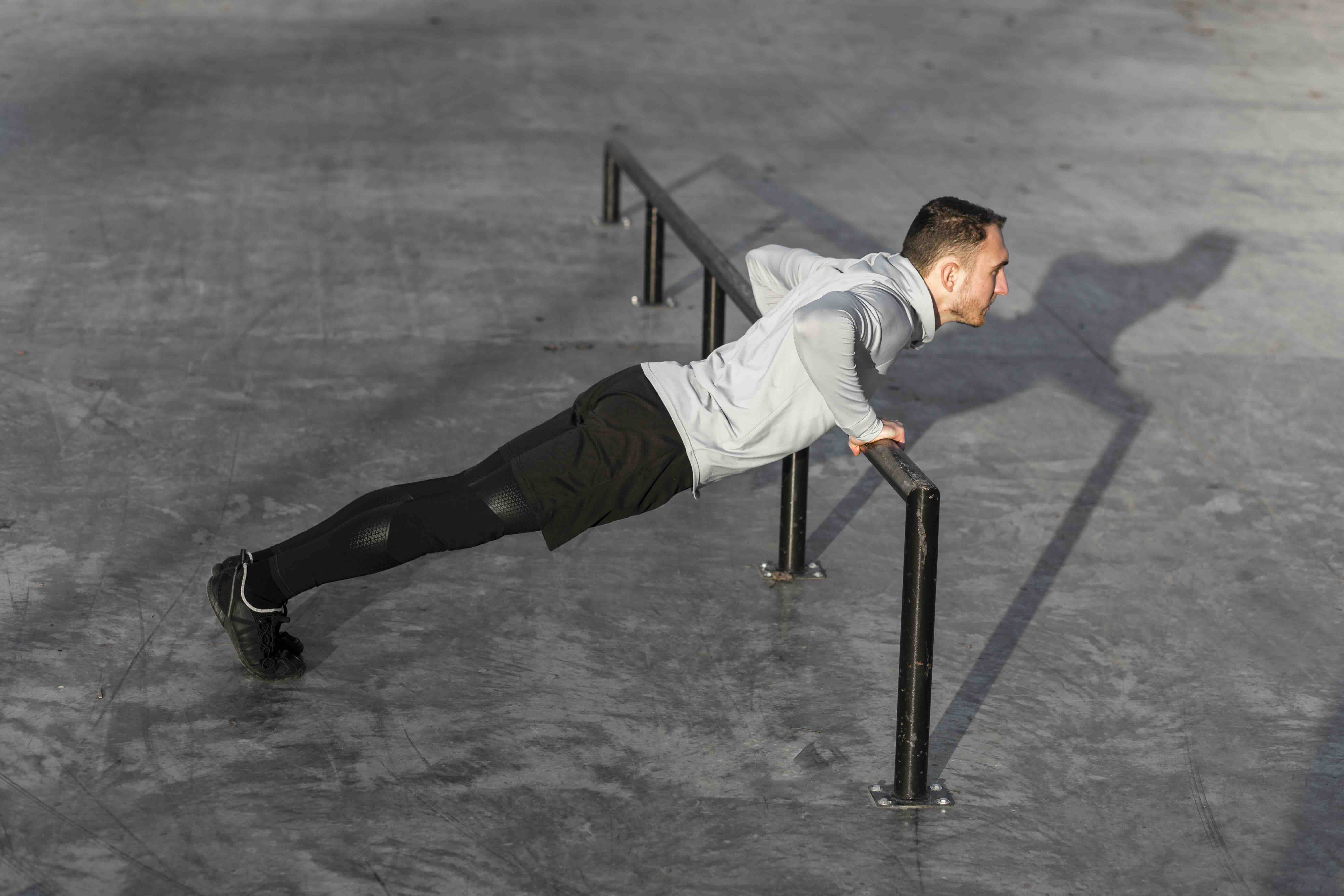
When it comes to building upper body strength and enhancing your back aesthetics, the inverted row is an excellent exercise choice. Not only does it provide a strong platform for muscle development, but it also ensures balanced growth and helps combat the forward-leaning posture many of us acquire from hours spent at desks. In this post, we'll explore the nuances of the inverted row, including its benefits, proper form, and variations to add to your workout regimen.
What is an Inverted Row?
The inverted row is a bodyweight exercise that targets the back, shoulders, and arms. Unlike traditional rows that often use dumbbells or barbells, this exercise requires you to pull your body up towards a bar while keeping your feet on the ground. It's particularly popular in calisthenics and can be performed using a Smith machine, TRX straps, or a secure barbell placed in a squat rack.
Benefits of the Inverted Row
- Strengthens Upper Body: The inverted row is excellent for developing the muscles in your upper back, lats, rhomboids, and biceps.
- Improves Posture: As the exercise helps strengthen the back and shoulder muscles, it contributes significantly to maintaining a straight and balanced posture.
- Accessibility: It requires minimal equipment and can be adapted to different fitness levels, making it a versatile choice for various workout settings.
- Volitional Control: It helps in enhancing your control over your body because you use your own body weight as the primary resistance.
How to Perform an Inverted Row
Follow these steps for perfect form:
- Set up a bar or use TRX straps at hip height.
- Lie underneath the bar, grabbing it with an overhand grip, shoulder-width apart.
- Your body should form a straight line from your shoulders to your heels.
- Pull your chest toward the bar by engaging your back and arm muscles.
- Pause at the top, ensuring your chest nearly touches the bar.
- Slowly lower yourself back to the start position, maintaining body alignment.
Common Mistakes to Avoid
- Sagging Hips: Keep your core engaged to maintain a straight line throughout the movement.
- Incomplete Range of Motion: Make sure to pull all the way up until your chest nearly touches the bar.
- Relying on Momentum: Use controlled movements without jerking to ensure the muscles are doing the work.
Variations to Try
Once you've mastered the standard inverted row, challenge yourself with these variations:
- Feet Elevated Inverted Row: Raise your feet on a bench or step to increase difficulty and target the upper part of your back more intensively.
- Weighted Inverted Row: Add a weight plate on your chest or wear a weighted vest to increase resistance.
- One-Arm Inverted Row: Perform rows one hand at a time to increase unilateral strength and coordination.
Conclusion
The inverted row is a powerful exercise that can significantly enhance upper body strength and posture. It's versatile, effective, and can be adjusted to suit any level of fitness. Incorporate inverted rows into your regular workout routine for optimal back development and overall upper body strength.