
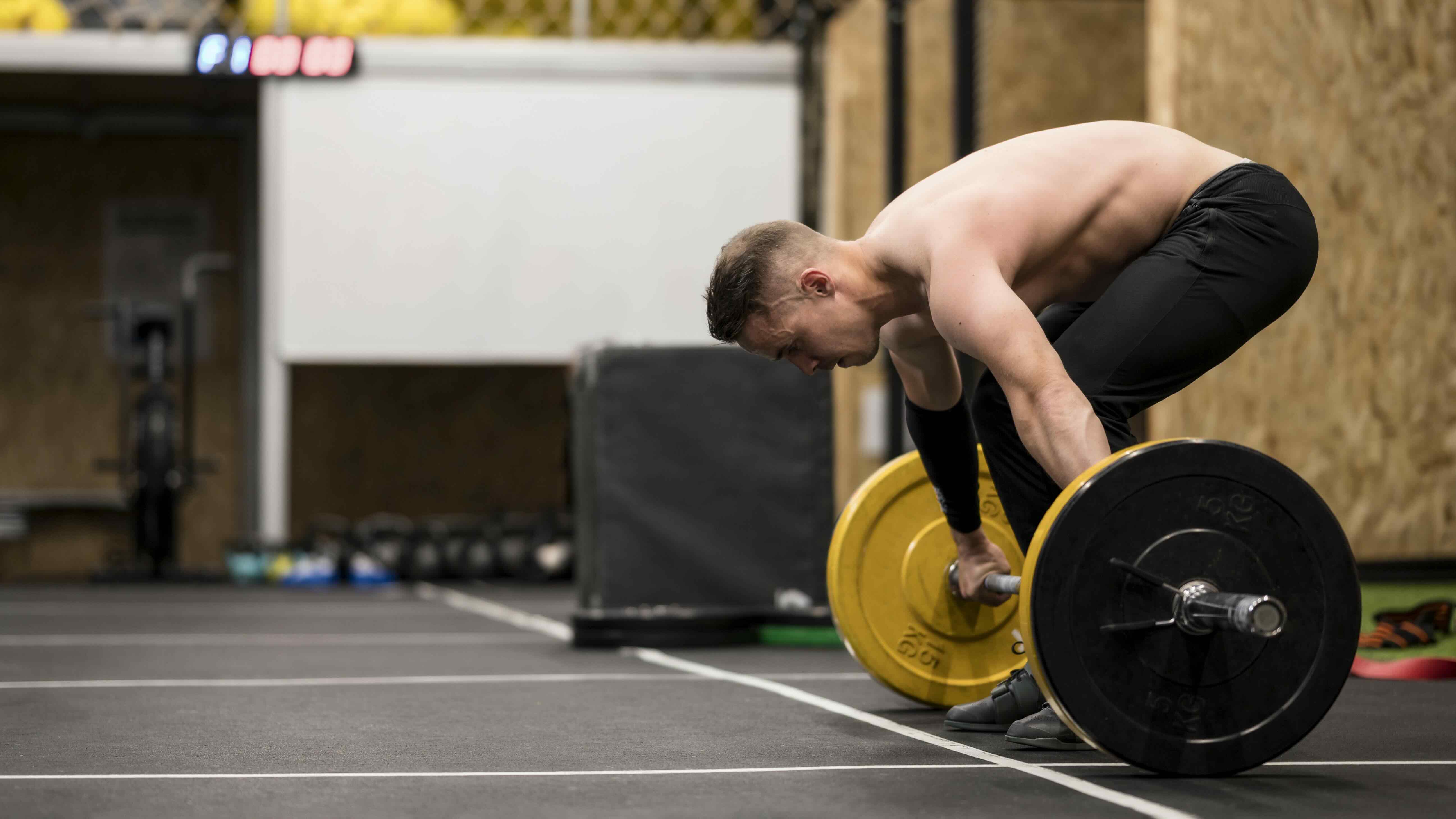
The sumo deadlift is a highly effective exercise known for its ability to build strength and power in the lower body. This variation of the conventional deadlift involves a wider stance, which places a different emphasis on the muscles and can be a game-changer for those looking to optimize their lifting regimen. Whether you're a beginner or an experienced lifter, integrating sumo deadlifts into your routine can help you achieve impressive results.
Understanding the Sumo Deadlift
The primary difference between a sumo deadlift and a conventional deadlift is the position of the feet. In the sumo version, your feet are placed wider apart, with toes pointing slightly outward. This stance allows the lifter to maintain a more upright torso, reducing the strain on the lower back and shifting more work to the hips and legs. The name "sumo" is derived from the stance's similarity to that of sumo wrestlers.
Muscles Worked
The sumo deadlift targets several major muscle groups, making it a compound exercise that is highly beneficial for building overall strength. The primary muscles worked include:
- Quadriceps: The wide stance engages the quads significantly, which is beneficial for those looking to build leg strength.
- Glutes: The hip-dominant movement of the sumo deadlift activates the glutes, aiding in stronger and more powerful hip extension.
- Hamstrings: Although not as much as in the conventional deadlift, the hamstrings are still actively involved in this lift.
- Adductors: The inner thigh muscles are more engaged due to the wide stance, offering an added benefit over the conventional stance.
- Lower Back: While the torso remains more upright, the lower back still plays a supportive role throughout the movement.
How to Perform the Sumo Deadlift
To perform a sumo deadlift effectively and safely, follow these steps:
- Stand with your feet wider than shoulder-width apart, with toes slightly pointing out. The barbell should be positioned over the middle of your feet.
- Lower your hips and bend your knees to grasp the barbell with your hands inside of your knees. Your grip can be either double overhand or a mixed grip, depending on preference.
- Engage your core and keep your chest upright. Your back should remain straight from head to hips.
- Push through your heels and engage your glutes as you lift the barbell off the ground, extending your hips and knees simultaneously.
- Stand fully upright at the top of the lift, locking your knees and hips while keeping your shoulders in line with your body.
- Lower the barbell back to the ground in a controlled manner by bending at your hips and knees, ready for your next repetition.
Benefits of the Sumo Deadlift
The sumo deadlift offers several advantages, especially for those who find conventional deadlifts challenging due to mobility or back issues. Some key benefits include:
- Reduced Stress on Lower Back: The more vertical torso position helps mitigate the risk of lower back injury.
- Greater Range of Motion for Hips: The wide stance requires more hip mobility, which helps in enhancing flexibility and strength.
- Better for Taller Lifters: The sumo deadlift can be more comfortable for taller individuals as it reduces the range of motion required for lifting.
Common Mistakes to Avoid
Like any exercise, executing the sumo deadlift with proper form is crucial to avoid injuries. Here are some common mistakes to watch out for:
- Rounding the Back: Keep your back straight and core engaged to prevent rounding, which can lead to injuries.
- Improper Hand Position: Ensure your hands are placed correctly on the bar to maintain balance and control.
- Incorrect Foot Placement: Adjust your foot position as needed to find a comfortable stance width that allows for optimal performance.
Incorporating Sumo Deadlifts in Your Routine
Whether you're planning to switch permanently or just want to alternate between conventional and sumo deadlifts, it's essential to integrate this lift into your routine thoughtfully. Start by incorporating sumo deadlifts on your lower body or full-body workout days, ensuring ample rest between lifting sessions to aid recovery and muscle growth.
In conclusion, the sumo deadlift is an excellent alternative to its conventional counterpart, offering unique benefits and muscle activation patterns. As with any exercise, ensuring proper form and gradually increasing weight will yield the best results, helping you become stronger and enhance your fitness journey.