Mastering the Side Lunge: Benefits, Form, and Variations
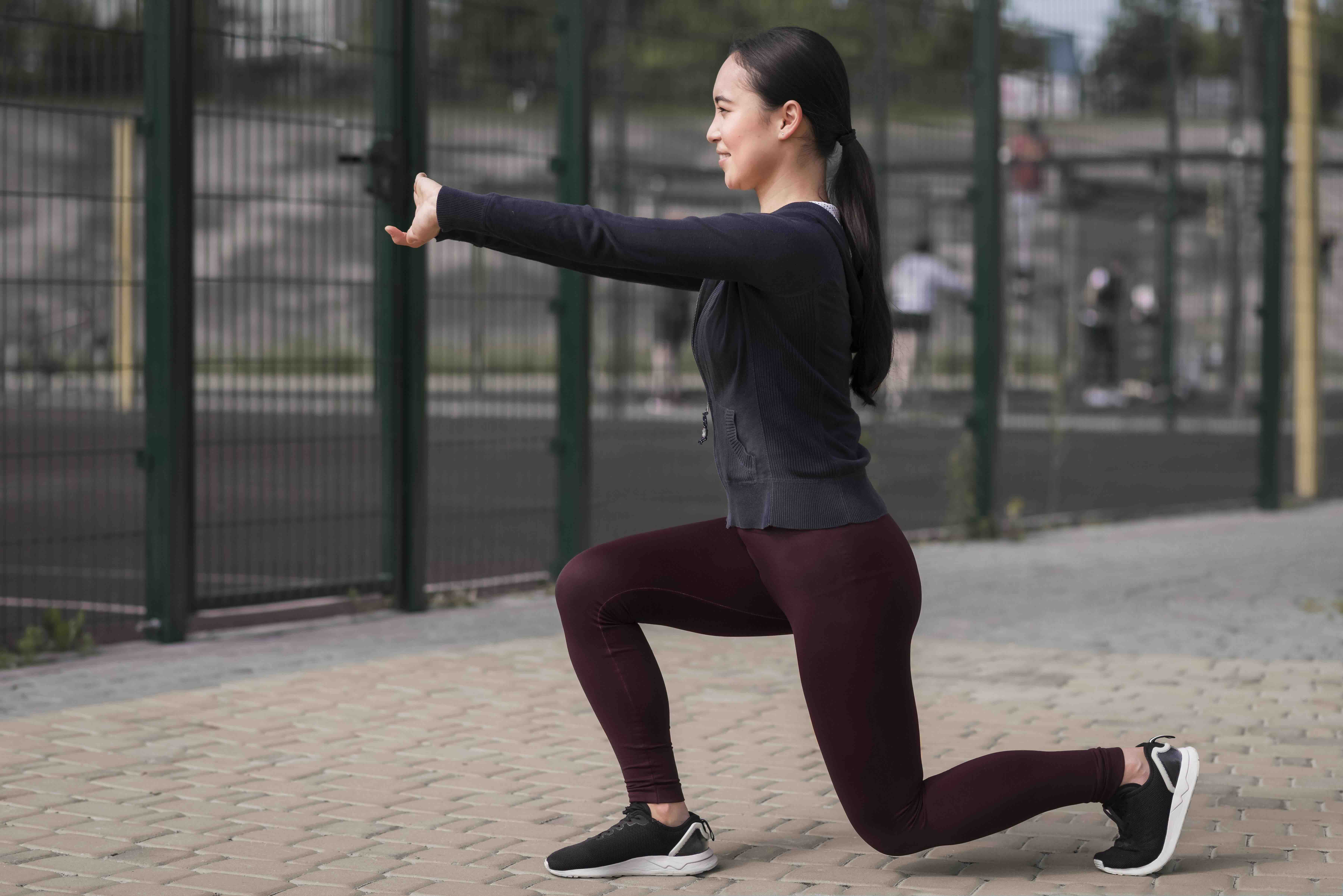
The side lunge, also known as a lateral lunge, is an essential exercise for anyone looking to improve their lower body strength, balance, and flexibility. This movement targets multiple muscle groups, including the quadriceps, glutes, hamstrings, and inner thighs, while also enhancing joint stability and promoting functional fitness. In this post, we'll explore the benefits of side lunges, guide you through proper form, and introduce a few variations to spice up your workout routine.
Benefits of Side Lunges
1. Strengthens Various Muscle Groups: Side lunges target your quadriceps, hamstrings, glutes, and inner thighs, making them a comprehensive lower body exercise. This helps in building muscular strength and endurance.
2. Improves Balance and Stability: By moving in a lateral direction, side lunges challenge your balance and coordination, enhancing your overall stability and proprioception.
3. Increases Flexibility: The stretching action in the inner thigh during side lunges helps increase your flexibility, contributing to better range of motion and joint health.
4. Enhances Functional Fitness: The side lunge mimics natural movements such as stepping to the side, and therefore, it helps in enhancing your functional fitness, making everyday activities easier.
How to Perform a Side Lunge: Step-by-Step Guide
- Starting Position: Stand tall with your feet hip-width apart. Engage your core and keep your back straight.
- Step Out: Take a large step to the right with your right foot. Ensure that your feet face forward and remain parallel.
- Lunge Down: As you place your right foot on the ground, bend your right knee and push your hips back while keeping your left leg straight. Lower your body until your right thigh is parallel to the ground.
- Push Back: Press through your right heel to return to the starting position. Repeat on the left side to complete one rep.
- Repetitions: Aim for 10-15 repetitions on each side, focusing on maintaining proper form throughout.
Common Mistakes to Avoid
- Knee Alignment: Make sure your knee does not extend beyond your toes to prevent undue stress on the joint.
- Back Posture: Avoid rounding your back. Keep your spine neutral and chest lifted throughout the movement.
- Control Your Movement: Perform the exercise slowly and with control to maximize its effectiveness and prevent injury.
Variations of Side Lunges
1. Dumbbell Side Lunge: Hold a dumbbell in each hand to increase resistance and challenge your muscles further.
2. Curtsy Lunge: Step your rear leg diagonally behind the standing leg, mimicking a curtsy. This variation adds a rotational component, engaging your core and inner thighs even more.
3. Side Lunge to Balance: After pushing back to the starting position, lift your lunging leg up to challenge your balance, adding an additional core workout.
Conclusion
Side lunges are a versatile and effective exercise that should be incorporated into your workout regimen. Whether you're a beginner or an experienced athlete, mastering the side lunge can lead to significant improvements in strength, flexibility, and balance. Remember to focus on your form and progress at your own pace. Happy lunging!