
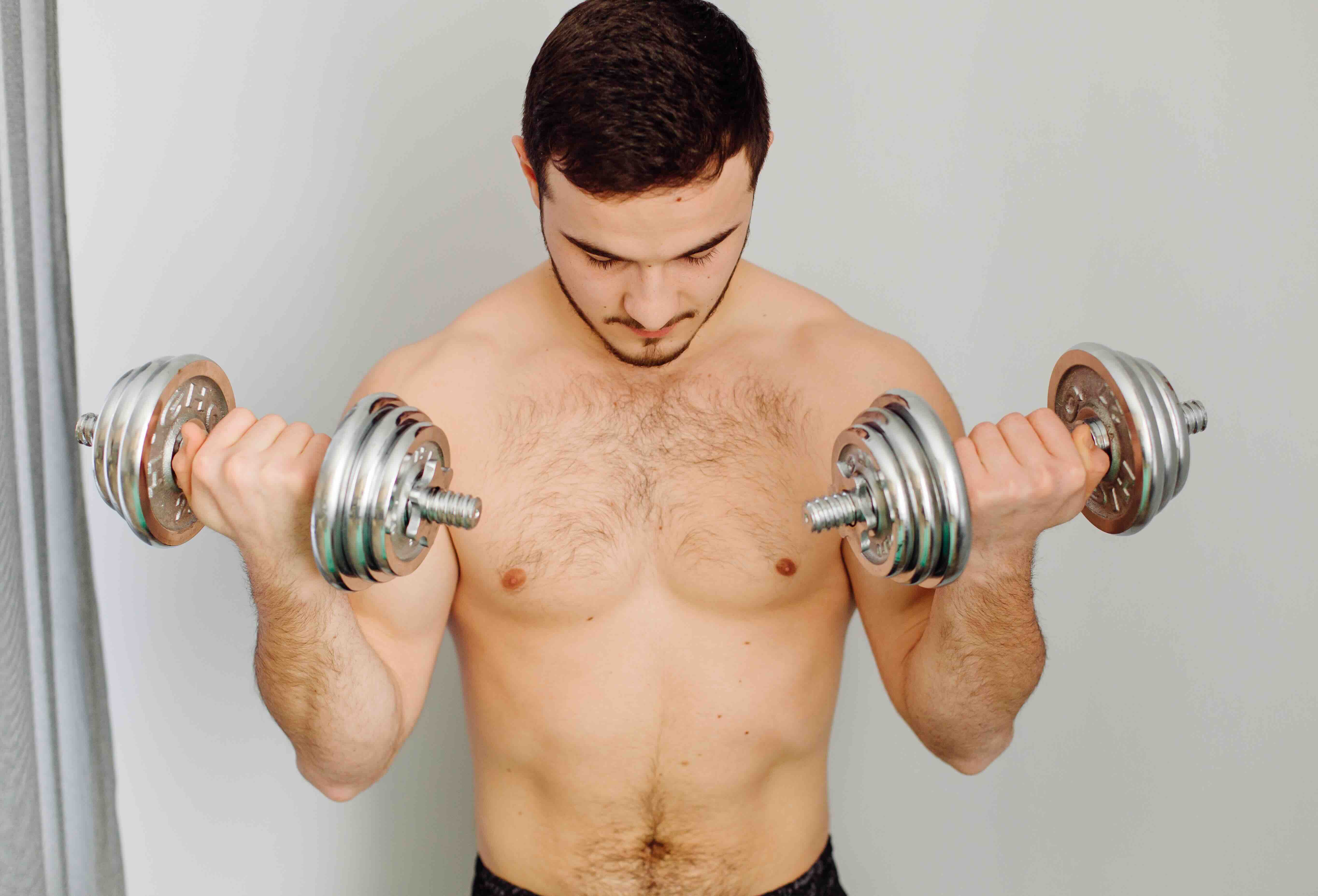
Reverse curls are a fantastic exercise that should be a staple in any upper-body strength routine. If you’re aiming to develop well-defined arms, improve grip strength, or simply shake up your workout regimen, reverse curls can be a valuable addition. In this post, we’ll delve into what reverse curls are, how they benefit your body, and provide step-by-step guidance on performing them correctly.
What Are Reverse Curls?
Reverse curls are a variation of the traditional bicep curl that primarily targets the brachialis muscle, which is located underneath the biceps. This exercise also engages the brachioradialis, one of the main muscles in your forearms. By differentiating the muscle group engagement from typical bicep curls, reverse curls help create balanced arm development.
The Benefits of Reverse Curls
- Enhanced Arm Definition: By focusing on different muscles than the classic bicep curls, reverse curls contribute to more comprehensive arm aesthetics.
- Improved Grip Strength: Holding the barbell or dumbbells in a pronated (palms-down) position enhances the strength of your forearms and grip, which is beneficial for various lifting and sports activities.
- Reduced Risk of Injury: The balanced muscle development from practicing reverse curls can help reduce the likelihood of arm and elbow injuries over time.
How to Perform Reverse Curls Correctly
To get the most out of reverse curls while minimizing the risk of injury, follow these steps:
- Choose Your Equipment: You can perform reverse curls with a barbell, EZ curl bar, or a pair of dumbbells. Start with a weight that allows you to maintain proper form.
- Grip the Weights: Hold the barbell or dumbbells with a pronated grip (palms facing down). Your wrists should remain straight, and your hands shoulder-width apart.
- Position Your Feet: Stand with your feet shoulder-width apart, keeping a slight bend in your knees for stability.
- Engage Your Core: Maintain a tight core and keep your elbows close to your torso throughout the exercise to ensure proper engagement of the intended muscle groups.
- Lift the Weight: Keeping your elbows stationary, curl the weights up toward your shoulders. Focus on using the muscles in your forearms and upper arms to lift.
- Controlled Descent: Slowly lower the weights back to the starting position, maintaining control to maximize muscle tension.
- Repetition: Aim for 8-12 repetitions per set, completing 3-4 sets according to your fitness level.
Common Mistakes to Avoid
To ensure reverse curls are effective and safe, watch out for these common errors:
- Using Momentum: Ensure the motion is controlled and not dependent on swinging or using your back to lift the weights.
- Incorrect Grip: Always maintain a pronated grip to engage the correct muscle groups.
- Inadequate Range of Motion: Fully extend your arms at the start and finish of each repetition to fully engage the muscles.
Conclusion
Incorporating reverse curls into your fitness routine can lead to improved arm strength, better grip, and striking arm aesthetics. As with any exercise, it’s vital to perform them with proper form to maximize the benefits and reduce the risk of injury. Next time you’re planning your workout, consider adding reverse curls to challenge your muscles in a new and effective way.